In 1989, legal scholar and civil rights activist Kimberlé Crenshaw coined the term intersectionality to solve a problem within the legal system. Namely, that women of color were not able to seek justice in discrimination lawsuits because attention was paid to race or gender, but never both and at the same time. This framework illuminated a system of power dynamics that was experienced but not named. It is one that we continue to use today.
Though Crenshaw identified and highlighted this weak point, she was building upon language pushed forth by earlier social theorists and activists, specifically the Combahee River Collective – a group of black feminist lesbian activists based in the Boston area in the late 1970s. These women put words to the problem of addressing gender and race and class and sexuality at the same time or, rather, ignoring the connection between them. In the Combahee River Collective Statement from 1977, they write, “We believe that sexual politics under patriarchy is as pervasive in Black women’s lives as are the politics or class and race. We also often find it difficult to separate race from class from sexual oppression because in our lives they are most often experienced simultaneously.” It was imperative to make this assertion because the mainstream women’s movement at the time focused too heavily on the social issues of white, middle class women, and very often ignored the problems facing marginalized communities in lip service to a desired cohesive “sisterhood.”
What does this have to do with the purposes here at RYS? Lots! At the heart of intersectionality is recognizing the unique experiences that exist among us and how that impacts the way we move through the world. This is where we see the dynamics of privilege and power, dispossession and oppression. It shows us where we should stop to listen and take in a story that is different from ours, and where we have opportunities to show empathy. As Brené Brown writes, “We need to dispel the myth that empathy is ‘walking in someone else’s shoes.’ Rather than walking in your shoes, I need to learn how to listen to the story you tell about what it’s like in your shoes and believe you when when it doesn’t match my experiences.” It is the goal here at RYS to become better listeners, as well as better storytellers.
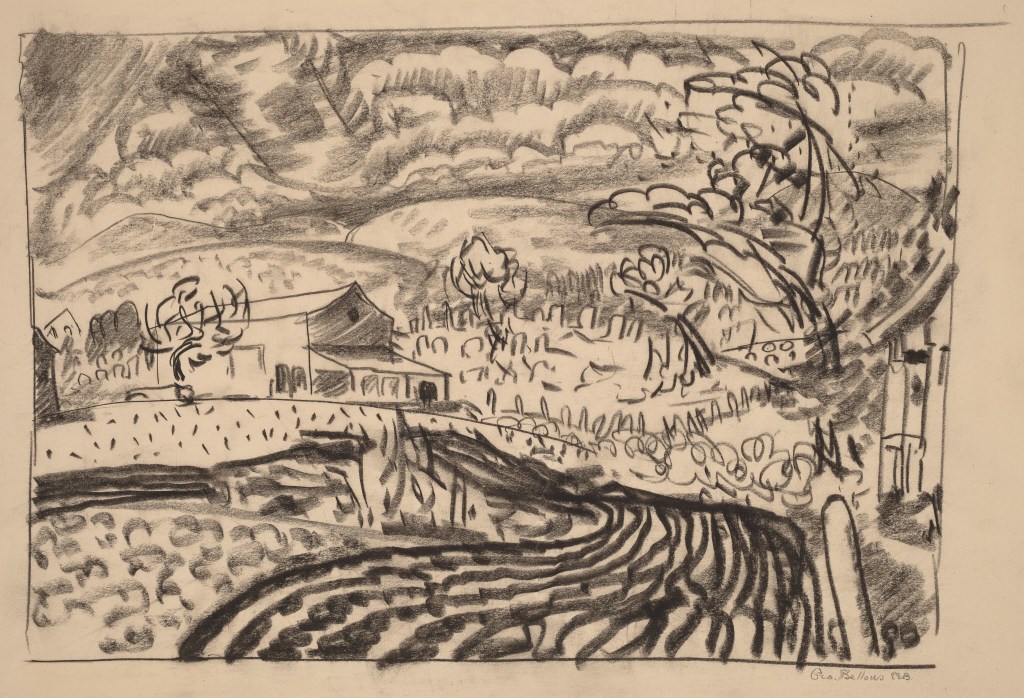
Think of intersectionality like a crossroads. Our identities – race, ethnicity, gender, class, sexuality, language, education, religion, ability, job status, etc – intersect at a very specific location and combine to create a life experience all our own. That life experience will have a series of struggles and advantages, both which require paying attention to.
Stories live in these crossroads. We tell ourselves a narrative and we tell the world the details that we want them to know. This is not a matter of narcissism, though. It is a tool for self-reflection and to understand those around us. There is freedom in discovering that kind of authenticity. Living in this way will be radical and subversive, but that’s why we are here – right?
Rock on –
Sarah
Sources
Combahee River Collective, “Combahee River Collective Statement,” 1977. http://www.Americanstudies.yale.edu
Brene Brown, Atlas of the Heart: Mapping Meaningful Connection and the Language of Human Experience. Random House, 2021.
 Rock Your Story
Leave a comment